Finding Strength in the Mission: How 2025 Grant Recipient Savanna Kept Going
As the deadline for the Leave Your Mark Contest approaches on September 13th, it is easy to assume your story is not big enough or finished enough to...
6 min read
.png?width=1800&height=1200&name=6%20Tips%20Hurricane%20Season%20Blog%20Photo%20(1).png)
Hurricane season travel is still possible, but it takes early planning. Before you leave, make sure you understand your destination risk, your coverage options, and what steps to take if a storm disrupts your trip.
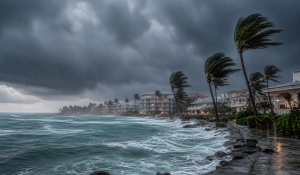 If you have spent time in the Southeast, along the Gulf Coast, near the Atlantic, or in the Caribbean, you know hurricane season has a way of changing plans quickly.
A storm does not have to make a direct hit to disrupt daily life. It can still bring heavy rain, dangerous surf, flooded roads, power outages, flight cancellations, airport delays, hotel evacuations, and a long list of unexpected decisions.
The same is true for travel.
A hurricane can be hundreds of miles away and still affect your trip. And when you are away from home, especially with kids, students, a mission team, a church group, or travelers relying on you, that uncertainty feels very different.
At MissionSafe, we believe preparation gives travelers more confidence. It does not remove every risk, but it helps you respond with a clearer head when plans change. And while experts are predicting that the 2026 hurricane season should be calmer than usual, there are a few tips we would give any traveler hoping to adventure during Hurricane Season.
Here are six practical tips to help you prepare before traveling during hurricane season.
Do not wait until a storm appears on the map.
If you are traveling during hurricane season, trip cancellation and travel medical coverage should be part of the planning process from the beginning. This is especially important if your trip includes prepaid expenses, international travel, students, minors, mission teams, disaster relief work, or destinations with limited infrastructure.
Timing matters because once a storm is named or becomes a known event, new coverage generally will not apply to that storm. MissionSafe’s Safe Passage case study on Hurricane Melissa makes this point clearly: hurricane-related benefits often depend on when the policy was purchased compared to when the storm was named.
In other words, coverage is not something you want to think about only after the forecast starts getting serious.
If you are paying in advance for flights, lodging, cruises, tours, retreats, conferences, mission trips, student programs, or group travel, trip cancellation coverage is worth considering.
Hurricanes can affect more than whether your plane takes off. A storm may damage the destination, close airports, trigger evacuation orders, make lodging unavailable, or make the trip impossible as planned.
Depending on the policy and situation,trip cancellation coverage may help protect eligible nonrefundable expenses if a covered hurricane-related event prevents you from traveling.
The keyword is covered.
Every policy has specific terms, conditions, exclusions, and timing requirements. That is why travelers should understand the coverage before they need it.
Travel medical coverage and trip cancellation coverage are not the same thing.
Travel medical coverage may help if you get sick or injured while traveling. Trip cancellation or trip interruption coverage may help with certain prepaid costs or travel disruption scenarios. During hurricane season, many travelers benefit from layered protection.
Our Safe Passage Case Study on Hurricane Melissa notes that trip-cancellation products can complement travel-medical coverage. It also explains that natural disaster benefits may require official evacuation orders or verified property loss, and that emergency medical evacuation is based on medical necessity, not fear or inconvenience.
Before you travel, ask:
|
Coverage Question |
Why It Matters |
|
Was coverage purchased before the storm was named? |
Timing can affect hurricane-related benefits |
|
Do I have trip cancellation coverage? |
Prepaid, nonrefundable expenses may be at risk |
|
Do I have trip interruption coverage? |
A storm may affect travelers already in destination |
|
Do I have travel medical coverage? |
Medical access may be limited during severe weather |
|
Do I have emergency evacuation benefits? |
Evacuation depends on medical necessity and policy terms |
|
Do I know the 24/7 assistance number? |
You need to know who to call before making major decisions |
Do not leave your assistance number buried in an email or stored only in a PDF.
Save it in your phone. Screenshot it. Print it. Share it with a spouse, co-leader, travel administrator, or emergency contact.
If you are leading a group, make sure more than one person has access to the policy information and emergency contact numbers.
One of the strongest learning points from the Safe Passage Hurricane Melissa case study is simple:
Assistance first.
Travelers should contact the 24/7 assistance line before making major purchases, attempting to evacuate, or making significant travel changes whenever possible.
That call can help clarify next steps, documentation needs, and whether certain actions require authorization.
For MissionSafe Travelers wanting quick access to resources, we recommend bookmarking and reviewing the Traveler's Toolbox before departing.
This does not mean panic-packing. It means being practical.
During a hurricane or tropical storm, power outages, delayed transportation, closed stores, and limited communication can happen quickly.
|
Pack This |
Why It Helps |
|
Portable charger |
Keeps your phone usable during outages or delays |
|
Flashlight |
Helps if the power goes out |
|
Printed insurance card |
Useful if your phone dies or service drops |
|
Printed travel documents |
Backup for flights, lodging, and contacts |
|
Prescriptions |
Prevents gaps if pharmacies are closed |
|
Snacks and water |
Helpful during delays, sheltering, or transportation disruptions |
|
Emergency contacts |
Makes communication easier if service is limited |
If you know you're traveling into a potential storm path, we recommend preparing emergency supplies such as a flashlight, charger, prescriptions, and a three-day food and water kit.
It may feel overly cautious when the skies are clear. It will feel very smart if plans change.
If your flight is canceled, screenshot it.
If your hotel tells you to evacuate, keep the notice.
If you pay for extra meals, lodging, transportation, or new flights, save the receipts.
If there is an official advisory, evacuation order, or government notice, save it.
Documentation matters because claims are not based only on what happened. They often depend on what can be shown.
The Hurricane Melissa case study puts it plainly: documentation drives claims. Receipts, advisories, and government orders are required evidence.
For group leaders, documentation should be centralized as events unfold. Do not wait until everyone is home to start piecing the timeline together.
Before you travel during hurricane season, use this checklist:
|
Question |
Why It Matters |
|
Did we buy coverage before a storm was named? |
Timing can affect hurricane-related benefits |
|
Do we have trip cancellation coverage for prepaid costs? |
Nonrefundable expenses may be at risk if a covered event disrupts the trip |
|
Do we know the 24/7 assistance number? |
Travelers need to know who to call before major decisions |
|
Do we have printed and digital copies of documents? |
Phones die, service drops, and Wi-Fi may be unavailable |
|
Are we monitoring official advisories? |
Conditions can change quickly |
|
Do we know what receipts and records to save? |
Documentation may be needed for claims |
|
If traveling as a group, do we have a communication plan? |
Travelers and families need clear, consistent updates |
This checklist does not take long, but it can make a major difference if travel is disrupted.
MissionSafe’s Safe Passage case study on Hurricane Melissa is a helpful example of how quickly severe weather can affect travelers, communities, and response plans.

Hurricane Melissa became a Category 5 hurricane with sustained winds of 185 mph, making it one of the strongest storms ever recorded in the Atlantic Basin. The storm impacted Jamaica, Haiti, Cuba, the Bahamas, and Turks & Caicos, causing widespread flooding, power outages, communication blackouts, damaged hospitals, restricted air travel, and major infrastructure disruption.
For travelers and group leaders, the lesson is not just that hurricanes are powerful.
The lesson is that storm-related disruption is layered.
It affects safety.
It affects transportation.
It affects medical access.
It affects communication.
It affects documentation.
It affects coverage eligibility.
It affects leadership decisions.
That is why preparation matters.
Hurricane season travel is not something to be scared of. Many wonderful destinations sit in hurricane-prone regions, and millions of travelers visit them every year.
The goal is not to avoid travel altogether.
The goal is to be prepared before everyone else starts scrambling.
Buy coverage early. Consider trip cancellation coverage for prepaid costs. Know what your plan includes. Save the assistance number. Pack the basics. Watch official advisories. Keep documentation. And if a storm impacts your trip, call for help before making major decisions.
That is how travelers and group leaders move through hurricane season with more confidence.
Whether you are planning a family vacation, mission trip, student program, group retreat, conference, or disaster relief response, MissionSafe can help you think through the coverage and support you may need before hurricane season disrupts your plans. Contact MissionSafe to purchase or review your coverage today!

Disclaimer: MissionSafe provides this article for educational purposes to help travelers better understand common travel coverage considerations during hurricane season. This is not safety, legal, medical, or emergency response advice, and it does not guarantee coverage or claim payment. All coverage determinations are made by the applicable insurance carrier based on the policy terms, purchase date, documentation, destination, and specific facts of the event. Travelers should follow official safety instructions from local authorities and contact their travel assistance provider or insurance carrier for guidance related to their specific trip.
As the deadline for the Leave Your Mark Contest approaches on September 13th, it is easy to assume your story is not big enough or finished enough to...
With the Leave Your Mark Contest deadline approaching on September 13th, it is easy to assume you don't have enough time to put together a solid...

Meet 2025 Leave Your Mark Grant recipient Megan Parham Mwenda and learn her story of why she finally decided to apply.